Outcomes from SPAW Protocol CoP13
The Wider Caribbean continues to confront some of the most pressing biodiversity challenges of any region in the world. From the overexploitation of marine species to the trafficking of parrots and songbirds, coral reef destruction, and the growing spread of invasive species, the threats are complex and interlinked.
Against this backdrop, governments gathered in Kingston for the Thirteenth Conference of the Parties (CoP13) to the SPAW Protocol, an essential regional agreement for advancing cooperation on biodiversity management. To support this legal framework and its broader community of practice, the CAR-WEN Working Group participated in the meeting to share updates, engage with Parties, and explore opportunities to strengthen wildlife enforcement efforts across the region.
The SPAW Protocol
The Protocol Concerning Specially Protected Areas and Wildlife in the Wider Caribbean Region is the Caribbean’s binding agreement for the conservation and management of marine and coastal biodiversity. Since entering into force in 2000, the SPAW Protocol has expanded to include 19 Contracting Parties that collaborate to address emerging and cross-cutting environmental challenges.
Its tools include the designation of protected areas, the listing of threatened and endangered species, the development of regional management guidelines, and the establishment of cooperative initiatives that allow governments to act collectively. These measures help countries coordinate their responses to biodiversity loss in ways that no single government could achieve alone.
The SPAW Protocol also complements the Convention on International Trade in Endangered Species of Wild Fauna and Flora. While CITES focuses on international trade, the SPAW Protocol covers a broader set of responsibilities, addressing how biodiversity is managed and conserved within national borders.
CoP13 Highlights
At SPAW CoP13, Parties adopted a series of decisions that will shape regional cooperation during the 2026 to 2027 biennium. These included the establishment of the Protected Area Managers Network, new guidance for shark conservation, updates to regional Sargassum governance, steps toward the consideration of a SPAW implementation and compliance mechanism, and commitments to strengthen scientific capacity for coastal wetlands. The meeting also endorsed the 2026 to 2027 SPAW workplan, providing a framework for priority activities across the Wider Caribbean.
Together, these outcomes continue to advance cooperative, science-based conservation across the region.
CAR-WEN at CoP13
Within this wider context, the CAR-WEN Working Group contributed to discussions on wildlife crime, enforcement challenges, and capacity needs across the region. The Working Group submitted an Information Document for consideration by the Parties, which included an updated briefing paper on the initiative’s progress, a draft Memorandum of Understanding (MoU), and a technical note on the MoU’s development.
Members of the management team also engaged in exchanges with government delegates to share lessons from the continued development of CAR-WEN, including pilot applications of the Rapid Assessment Toolkit. These conversations help situate the CAR-WEN’s work within the broader efforts of the SPAW Protocol to support effective, coordinated biodiversity management.
A central outcome of CoP13 for the CAR-WEN initiative was the inclusion of network-related actions within the Decision VII on Strategic Partnerships. Specifically, the SPAW Protocol’s Contracting Parties have now collectively invited its Parties to:
consider designating national focal points for engagement with the CAR-WEN Working Group, and
participate in governmental review of the draft MoU to fully establish the CAR-WEN.
Additionally, Decision VII also requests the SPAW Protocol Secretariat to:
support coordination between SPAW Protocol initiatives and the CAR-WEN, where appropriate.
In short, this decision language provides a pathway for continued dialogue on the network’s development with the SPAW Protocol community and reflects growing interest among Caribbean governments for structured cooperation on wildlife enforcement.
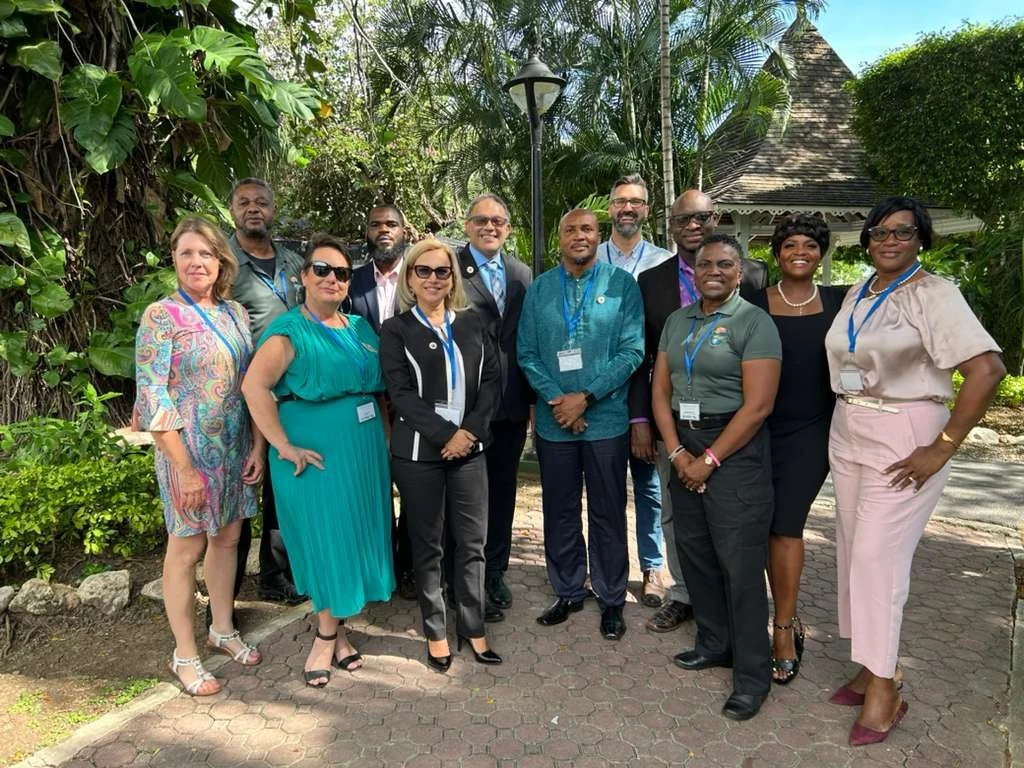
Delegates and observers to the SPAW Protocol gathered in Kingston to support ongoing cooperation on wildlife enforcement across the Caribbean.
Looking Ahead
The CAR-WEN Working Group will now carry the momentum of CoP13 into the next major international forum: the CITES CoP20. There, we will continue to raise the profile of the Caribbean’s enforcement needs and share the progress of our Working Group with a global audience.
Our goal is to continue building partnerships, refining tools, and supporting coordinated responses to wildlife crime, ensuring that biodiversity protection in the Caribbean is not only promised but delivered.
